

Joche Ojeda



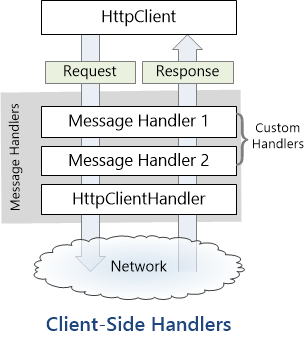
Fake it until you make it: using custom HttpClientHandler to emulate a client server architecture
Last week, I decided to create a playground for the SyncFramework to demonstrate how synchronization works. The sync framework itself is not designed in a client-server architecture, but as a set of APIs that you can use to synchronize data. Synchronization scenarios...

Hosting SQLite databases in Blazor Web Assembly targeting net 6
Blazor is a framework for building interactive client-side web UI with .NET, developed by Microsoft. It allows developers to build full-stack web applications using C# instead of JavaScript. Blazor comes in two different hosting models: 1. Blazor Server: In this...
It works, most of the time. Probabilistic errors in software
Last week, I had two presentations, during both of which I was to present an example of data synchronization using the open-source framework we developed in our office, Xari/BitFrameworks. you can read more about the framework here...

On my GUID, common problems using GUID identifiers
A GUID (Globally Unique Identifier) is a unique reference number used as an identifier in computer systems. GUIDs are usually 128-bit numbers and are created using specific algorithms that are designed to make each GUID unique. Characteristics of GUIDs: Uniqueness:...
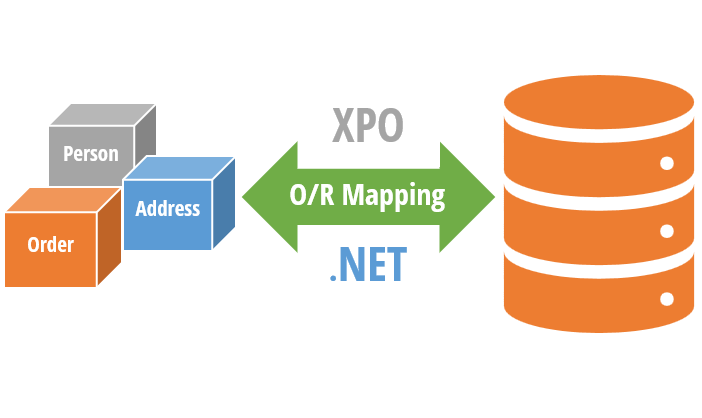
XPO, One ORM to rule them all
Let’s do a quick overview of the main features of XPO before we dive into details. XPO (eXpress Persistent Objects) is a full-featured Object-Relational Mapping (ORM) framework developed by DevExpress. It is used to provide a mapping between the relational...

SOLID design pattern and XPO
SOLID is an acronym that stands for five fundamental principles of object-oriented programming and design. These principles were first introduced by Robert C. Martin (also known as Uncle Bob) and have since become a cornerstone of software development best practices....