The Birth of Creatura: An Agent Framework Built on the Road

How two weeks traveling through China, conversations about intelligence, and a little late-night programming became the foundation of a new agent framework.
It Started with a Trip to China
On October 10, 2026, I left Saint Petersburg for a two-week adventure through China with my friend Misha.
Our journey would take us through Shanghai, Zhangjiajie, Chongqing, and Chengdu before returning to Saint Petersburg on October 24.
I should probably mention that I didn't plan any of it.
Misha is an explorer by nature. He loves discovering new places, organizing adventures, and finding interesting things to see. He had taken care of the itinerary, the sightseeing, and most of the logistics.
I was happy to follow along.
The trip turned out to be intense. We explored enormous cities, visited spectacular natural landscapes, walked countless kilometers, and traveled between destinations by plane and train.
But somewhere between Shanghai's busy streets, the mountains of Zhangjiajie, and the journey west toward Chengdu, something unexpected happened.
I started building an agent framework.
Nearly Ten Hours to Think About Intelligence
Before our flight from Saint Petersburg to Shanghai, nearly ten hours in the air, I downloaded several episodes of the Lex Fridman Podcast.
Among them were three conversations with Joscha Bach (#101, #212 and #392), a computer scientist whose ideas about cognition, consciousness, and artificial intelligence I find particularly fascinating.
I also brought along a conversation with Michael Levin (#486), a biologist whose research on collective intelligence and goal-directed behavior in biological systems offers a very different perspective on what intelligence can be.
During the trip, I was also listening to Maps of Meaning by Jordan Peterson, on Audible.
These are three rather different intellectual perspectives, but I found myself connecting ideas from all of them.
Bach made me think about the architecture of minds and the computational structures that might produce intelligent behavior.
Levin made me consider how biological systems organize themselves, coordinate behavior, and pursue goals without necessarily having a centralized intelligence.
Peterson's work made me reflect on the relationship between goals, actions, meaning, and the structures that guide behavior.
As a software engineer, I couldn't help asking myself a question:
Could some of these ideas become practical design patterns for building AI agents?
From Ideas to Code
China wasn't exactly a relaxing vacation.
Our days were filled with sightseeing, walking, exploring, and moving between cities. Misha had prepared an ambitious itinerary, and there was always something to do.
But the evenings were mine.
Sometimes I had a few hours at night. Other times I could think during train rides or while traveling between destinations.
I started experimenting.
Initially, I wasn't trying to build a complete framework. I simply wanted to test a few architectural ideas inspired by what I had been listening to.
What would an agent look like if we thought about it in terms of goals, feedback, coordination, and behavior rather than just prompts and tool calls?
How could these concepts be represented as reusable software abstractions?
I began writing code whenever I found the time.
The first prototype emerged during those two weeks, somewhere between hotel rooms, train journeys, and long days exploring China.
What came out of it was a single agent loop with three interchangeable designs, one for each of the thinkers I'd been listening to: a self-model after Bach, a colony of small goal-seekers after Levin, and a map of stories after Peterson, all checked against what actually happened in the world, not what the agent claims it did.
Apparently, I Have a Habit of Building Frameworks While Traveling
While working on Creatura, I realized something amusing: this wasn't the first time I had started a framework while traveling.
Years earlier, something similar happened with my Sync Framework, which, interestingly enough, is now one of the frameworks I use inside Creatura.
The circumstances were quite different.
During a visit to Arizona, we decided to take a road trip to Mexico. Unfortunately, things didn't go exactly as planned, and I ended up stuck in Mexico.
To get back to Arizona, I had to book a flight.
That meant spending time at the airport waiting for my departure.
And what does a software developer do when stranded at an airport with a computer and several hours to spare?
Apparently, start writing a framework.
That's where the first version of Sync Framework was born. I wrote about it at the time.
At the time, I certainly wasn't thinking that one day it would become part of an agent framework inspired by cognitive science and biology, developed during another trip on the other side of the world.
But that's exactly what happened. Sync Framework 3.0.0 went out on NuGet on October 28, 2026, as the BIT.Data.Sync package, and it's what Creatura uses to sync its agents' shared ledgers between machines.
There is something rather satisfying about that connection.
A framework started in an airport in Mexico eventually became part of another framework started while traveling through China.
Perhaps I should spend more time traveling.
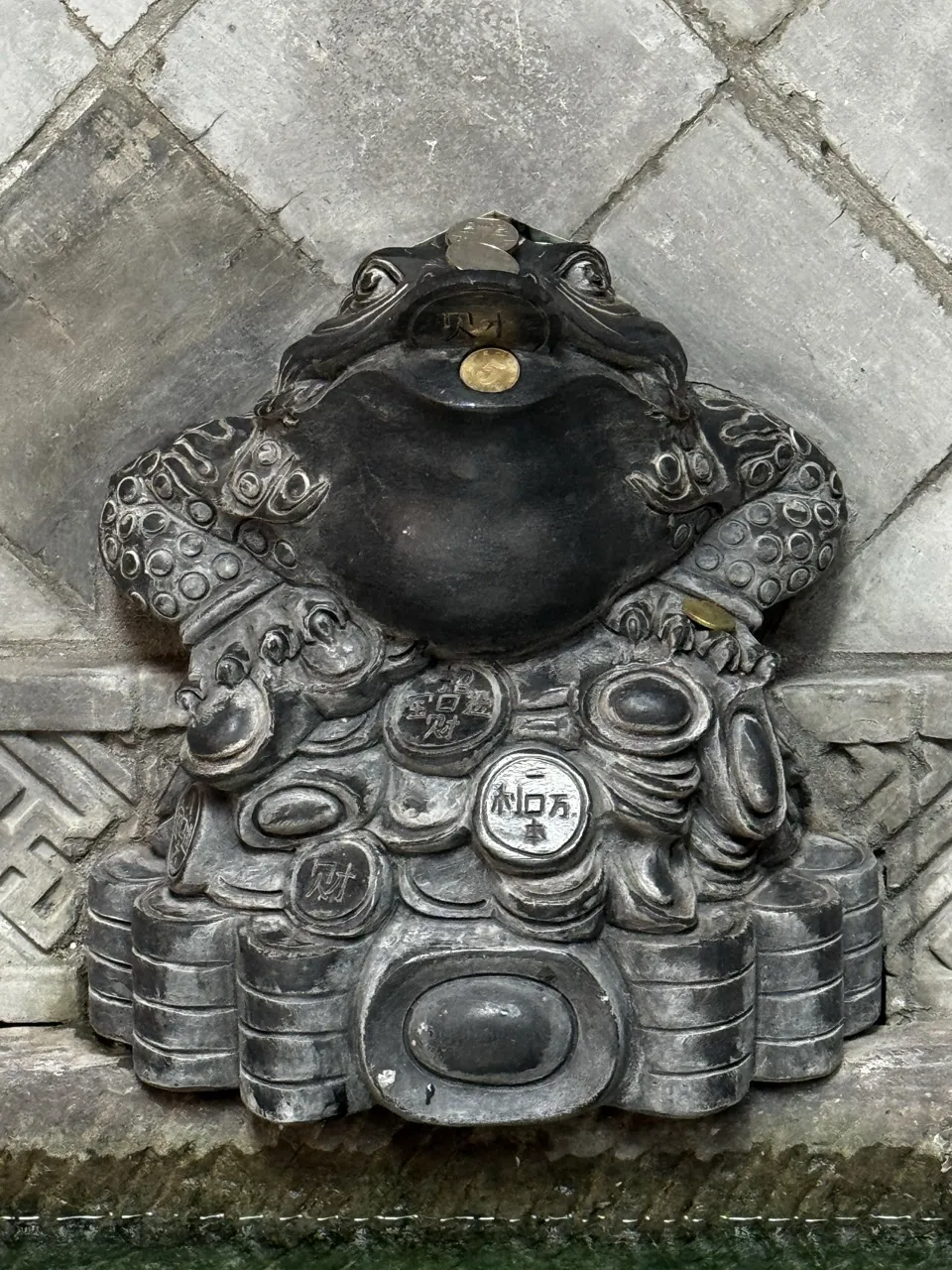
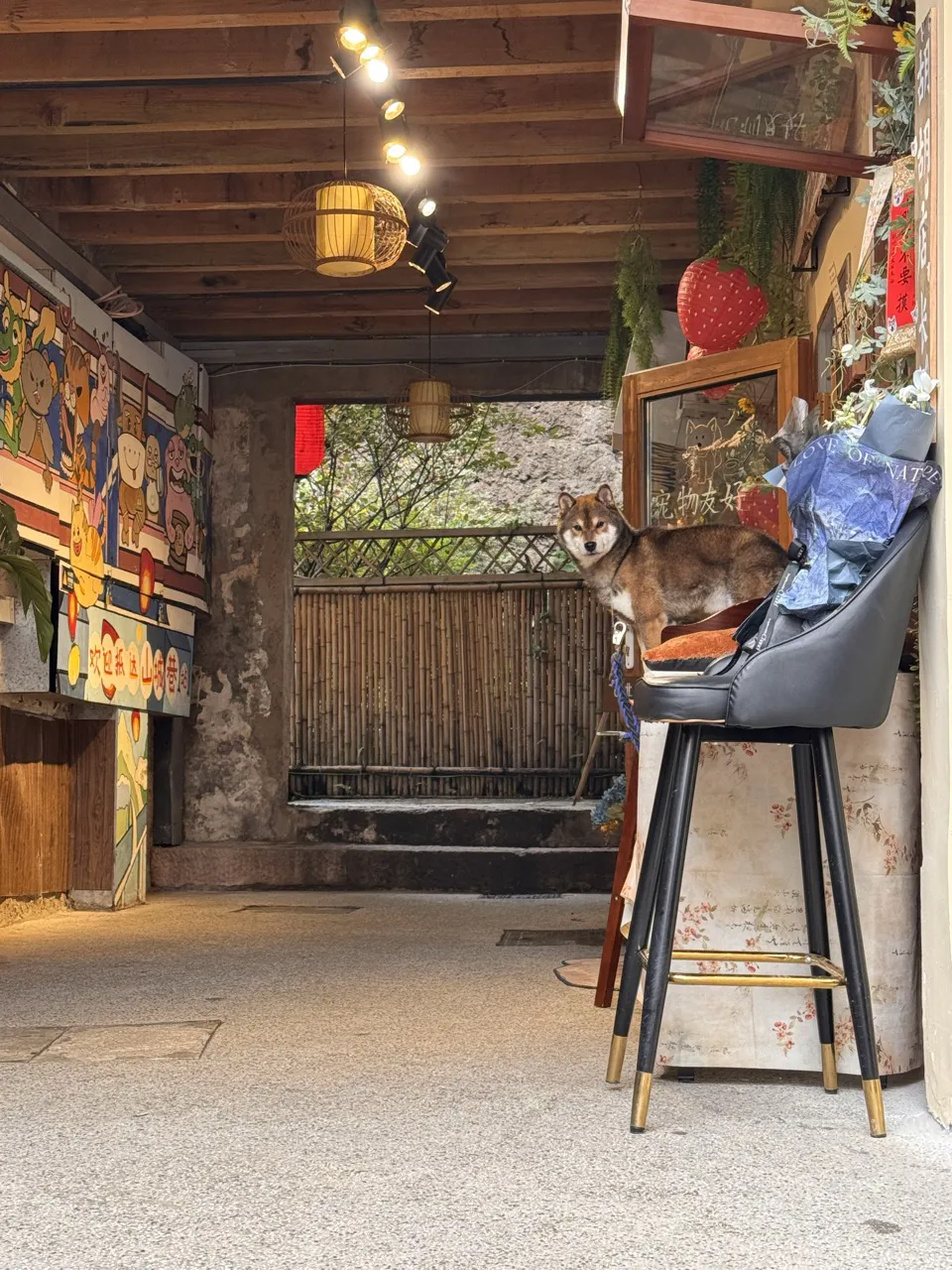
A Few Pictures from the Road
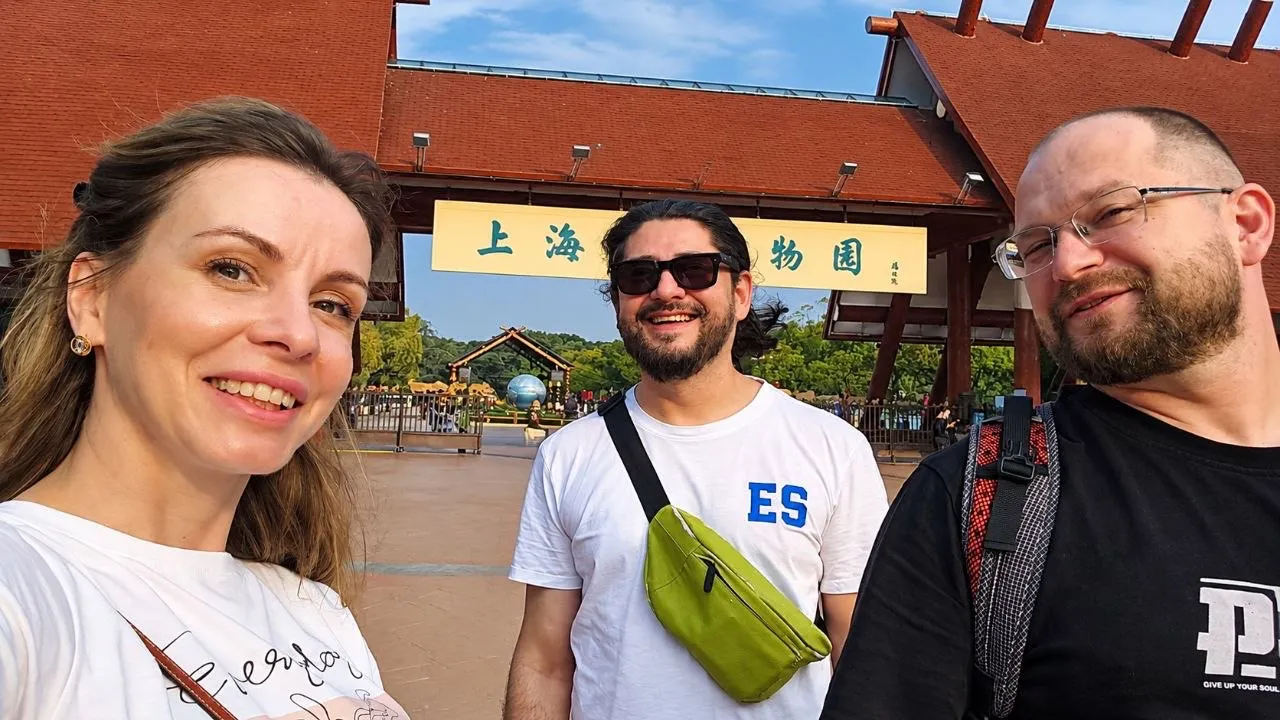
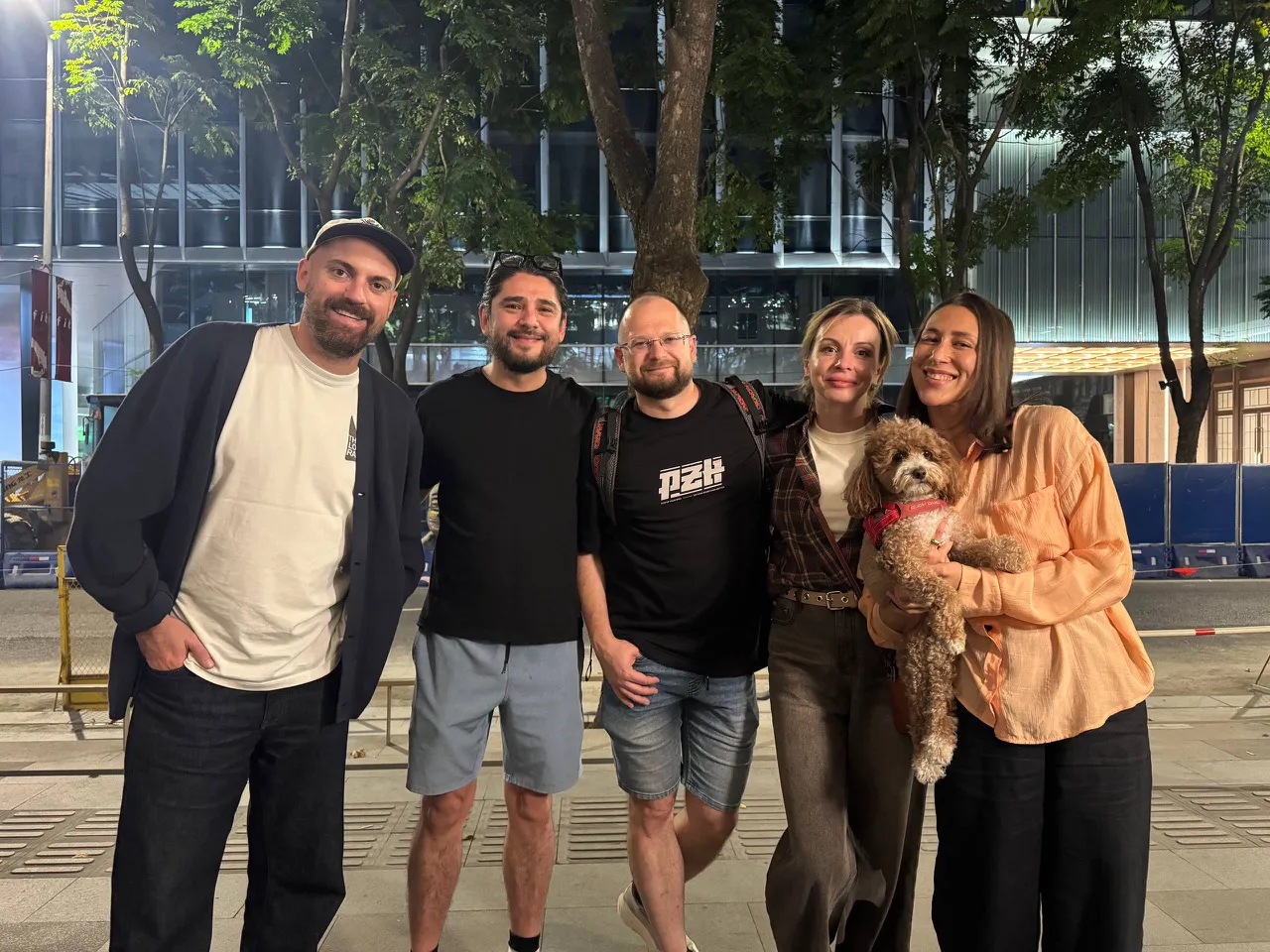





Returning to Saint Petersburg
On October 24, I returned to Saint Petersburg.
I had a collection of extraordinary travel memories and a working prototype that needed considerable attention.
The code had been written on the road, often late at night, without the luxury of a carefully planned development process.
Now it was time to refactor.
I began revisiting the abstractions, reorganizing the components, and turning the experiments into a more coherent architecture.
That process eventually led to Creatura, an agent framework influenced by ideas from cognitive science, biology, and goal-directed systems.
In one sentence: Creatura is a C# framework for building AI agents, training them, and testing them in emulated worlds before they touch the real one.
What's Next?
This article isn't intended to explain Creatura's architecture.
That deserves its own discussion, including the technical decisions, abstractions, experiments, and design patterns that emerged from the process.
Instead, I wanted to document how the project began.
Creatura wasn't born from a formal product roadmap or a carefully planned development cycle.
It started with a trip to China, a friend who loves exploring, a collection of fascinating conversations, a book about meaning and goals, and a few hours of programming whenever I could find them.
And, as it turns out, part of its foundation had already been written years earlier in an airport in Mexico.
Sometimes the most interesting software ideas appear when you're not sitting at your desk trying to invent something.
Sometimes they happen somewhere between two cities, with a podcast playing in your headphones and a computer waiting in your backpack.
And that's how Creatura began.
This is Part 1 of a series about Creatura. Next: the framework itself, and the ideas behind its architecture.